
Why Improper Sealing Ruins Natural Stone Bath Countertops in Atlanta
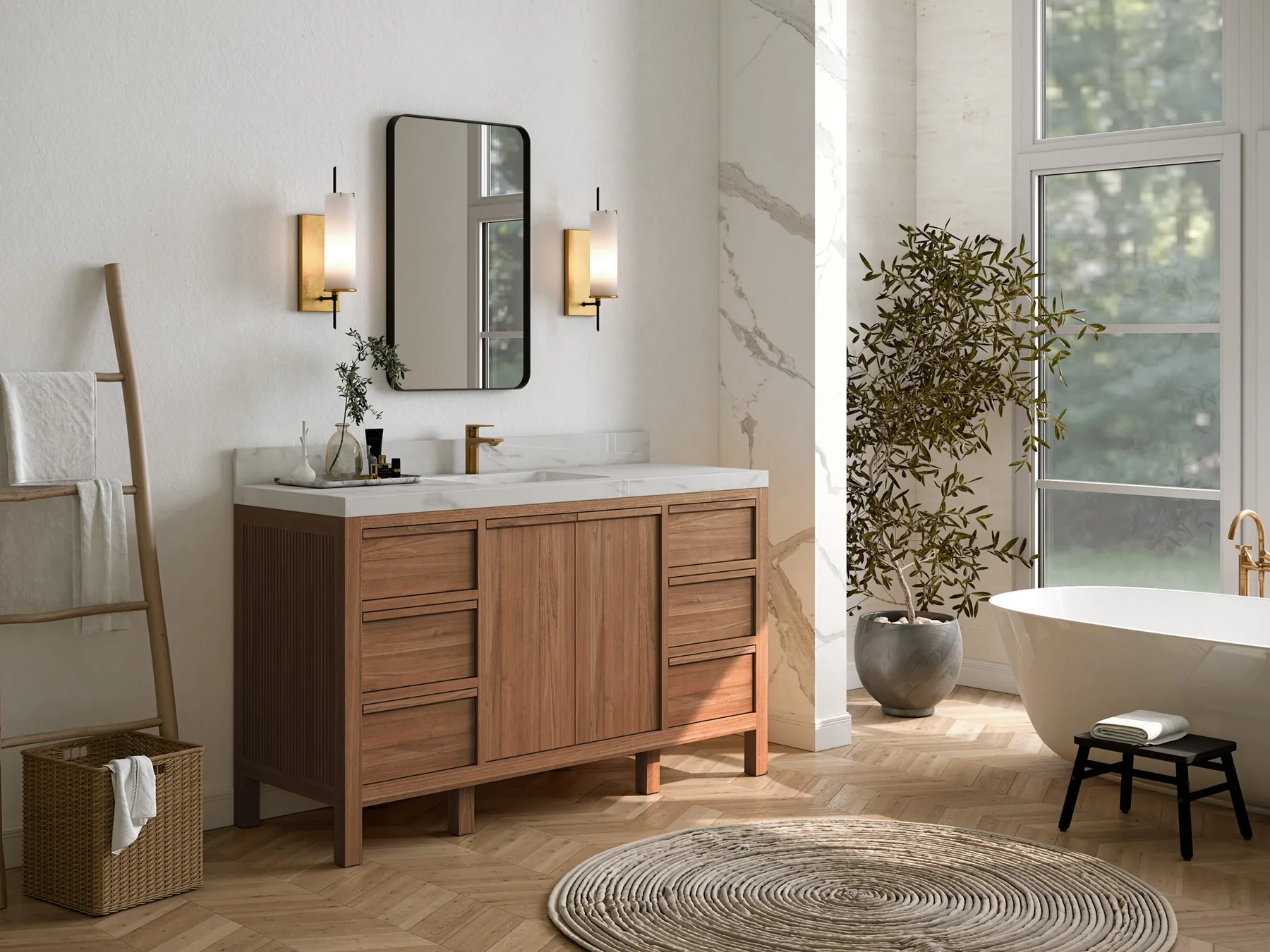
Natural stone can last for decades, but it can also lose its appearance much sooner than expected. In many cases, poor sealing is the reason. Bathrooms expose stone surfaces to constant moisture, soap residue, cosmetics and humidity, all of which can gradually penetrate unprotected stone.
Atlanta’s humid climate only increases this exposure. Proper sealing helps preserve both the appearance and durability of natural stone. This guide explains how improper sealing causes damage, the warning signs to watch for and what to consider before investing in bath countertops in Atlanta.
Table of Contents
- Why Natural Stone Needs Proper Sealing in the First Place
- What Happens When Stone Isn’t Properly Sealed
- How to Tell If Your Bathroom Countertop Needs Resealing
- What to Look for When Buying Natural Stone Bath Countertops in Atlanta
- Conclusion
- Frequently Asked Questions (FAQs)
Why Natural Stone Needs Proper Sealing in the First Place
Natural stone is valued for its appearance and durability but it requires ongoing protection. Unlike manufactured surfaces, it contains tiny pores that can absorb moisture and contaminants if left unsealed.
Natural Stone Isn’t Waterproof
Granite, marble, quartzite, and travertine all contain microscopic pores. These openings allow water, oils, cosmetics, soap residue, and cleaning products to enter the surface over time. While some stones are denser than others, none should be considered maintenance-free.
Sealing creates a protective barrier that slows absorption without changing the natural appearance of the stone.
Atlanta Bathrooms Create Tough Conditions
Bathrooms create ideal conditions for moisture buildup.
Daily showers, steam, water splashes, and high humidity expose stone surfaces to moisture throughout the day. In Atlanta, where humidity remains high for much of the year, this exposure becomes even more significant.
Proper sealing is not a one-time task. Maintaining the protective barrier helps reduce the risk of moisture entering the stone and causing long-term damage.
What Happens When Stone Isn’t Properly Sealed
Moisture damage rarely appears overnight. It usually develops gradually as water works its way beneath the surface.
Moisture Damage Starts Below the Surface
When moisture penetrates unsealed stone, it becomes trapped inside the material.
Over time, this can lead to dark patches, discoloration, mineral deposits, and stubborn stains that become increasingly difficult to remove. Moisture may also weaken the stone internally, especially around edges and cut-outs that experience frequent water exposure.
Small Problems Become Expensive Repairs
Water infiltration can cause edge deterioration, surface etching, mold growth around sink openings and damaged grout joints. Once the stone itself has been affected, repairing or replacing damaged sections is usually far more expensive than routine maintenance.
If you’re installing a 24 inch bathroom vanity, remember that the countertop around a compact sink often receives concentrated water exposure. Proper sealing becomes even more important because splashes are more frequent in a smaller workspace.
Poor Sealing Can Void Long-Term Value
Natural stone is often chosen because it adds long-term value to a bathroom. That value declines when the surface is poorly maintained.
Stains, dull patches, chipped edges, and visible water damage make even premium stone look neglected. Buyers often notice worn bathroom surfaces during inspections, and poorly maintained countertops can affect the overall impression of the space. Keeping the stone properly sealed helps preserve both its appearance and its value.
How to Tell If Your Bathroom Countertop Needs Resealing
Natural stone usually gives clear signs before serious damage develops. The key is to recognise them early.
Simple Signs Homeowners Can Check
You don’t need specialist equipment to tell whether the sealant is wearing out. Look for these common signs:
- Water no longer beads on the surface.
- The stone darkens quickly when it becomes wet.
- Stains are becoming harder to remove.
- The finish looks dull or uneven.
These changes often indicate that moisture is beginning to penetrate the surface.
Don’t Wait Until Damage Is Visible
Resealing works best as preventative maintenance.
Once stains or moisture damage appear, sealing alone may not solve the problem. The ideal schedule depends on the type of stone, how heavily the bathroom is used, and the quality of the previous sealant. Following the manufacturer’s recommendations and checking the surface regularly can help extend the life of the countertop.
What to Look for When Buying Natural Stone Bath Countertops in Atlanta
Choosing the right stone is only part of the decision. Installation quality and long-term maintenance are equally important.
Ask About Sealing Before Installation
Ask whether the countertop is sealed before it leaves the workshop or if sealing is completed after installation. Find out:
- Which sealant is being used.
- How long the protection typically lasts.
- How often the surface should be resealed.
- Whether any maintenance products are recommended.
If you’re considering a teak bathroom vanity, ask how the natural wood and stone countertop should be maintained together. Both materials perform well in bathrooms when properly protected, but each requires its own care routine.
Installation Quality Matters as Much as the Stone
Even premium stone can develop problems if it is installed poorly.
Experienced installers pay close attention to sealing sink cut-outs, exposed edges, joints, and splash-prone areas. Proper installation also reduces gaps where moisture can collect over time.
Rather than comparing products on price alone, look for specialists who understand natural stone, recommend suitable sealants, and provide clear maintenance advice after installation.
In Conclusion
Proper sealing is one of the most important factors in protecting natural stone bathroom countertops. It helps prevent moisture damage, staining, and premature wear while preserving the beauty of the surface for years to come. Preventative maintenance is far more affordable than repairing damaged stone.
If you’re comparing bath countertops in Atlanta, speak with the team at Vanity Store Atlanta for expert guidance, professional installation, and practical maintenance advice to help you get the most from your investment.
FAQs
How often should natural stone bathroom countertops be resealed?
Most natural stone countertops benefit from resealing every one to three years, depending on the stone type, usage and the sealant used.
Which natural stone is the easiest to maintain in a bathroom?
Granite is generally one of the easiest natural stones to maintain because of its durability and lower porosity when properly sealed.
Does every natural stone countertop require the same type of sealant?
No. Different stone types have different porosity levels, so the most suitable sealant depends on the specific material.